







Search Results for: Medicinal Coffee
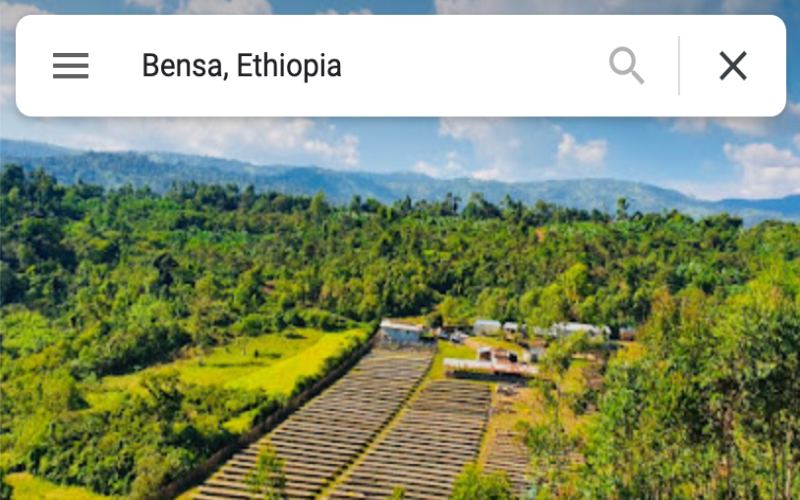
Is Coffee Considered Traditional Chinese Medicine? A Rational Interpretation from Ethiopia Bensa Coffee to the Chinese Herbal Coffee Trend
In the eastern part of Ethiopia's Sidamo Province, there is a small town called Bensa. Local coffee is exported under the town's name, jokingly dubbed "Bensa coffee," which has sparked an amusing meme: coffee is traditional Chinese medicine, and drinking more can promote health. Behind this joke, herbal coffee has indeed become a new consumer trend in recent years, with brands like Tongrentang launching products such as goji berry lattes and hawthorn-chenpi Americanos, attracting a large number of young consumers. However, blending traditional Chinese medicine with coffee is not something to be done casually; how to harmonize the flavors of medicinal herbs and coffee beans, and how to grasp the concept of medicine-food homology, are all worth serious discussion. This article will take you through the origins and development of this "herbal coffee" trend, as well as the issues that need attention. [more…]
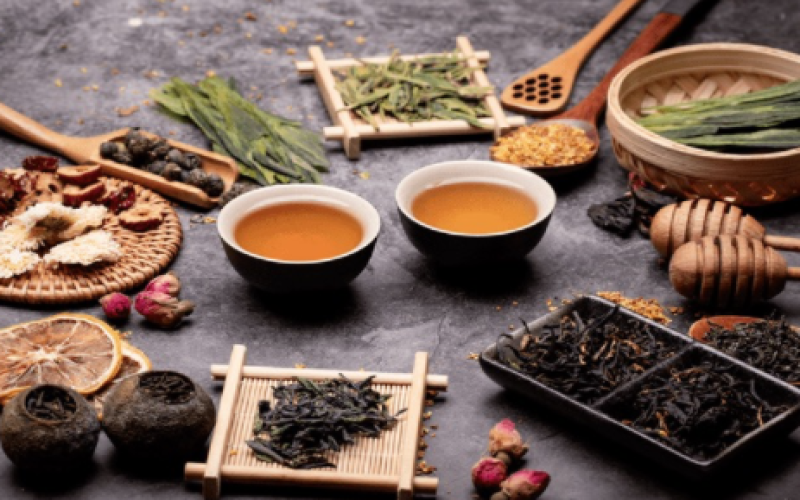
Young people spark a trend of herbal tea drinks, a new wellness lifestyle quietly emerges
In recent years, with the rise of the "national trend" culture, the "new Chinese-style" wellness concept has quickly gained popularity among young people. After saying goodbye to bad habits such as staying up late, smoking, and drinking, more and more young people are beginning to favor Chinese herbal medicinal diets and Chinese herbal teas. On social media, herbal milk tea frequently goes viral, and health teas dispensed by hospitals and herbal drinks launched by traditional Chinese medicine clinics through cross-sector collaborations are highly sought after. Data shows that over 70% of consumers are more willing to buy Chinese herbal teas and express satisfaction with their functional effects. Numerous pharmaceutical companies have entered the market, launching innovative products such as wellness coffee and herbal teas. However, experts also remind that although Chinese herbal teas are beneficial, they should be consumed in moderation, following the principle of "stopping once the illness is cured," to avoid counterproductive effects. [more…]
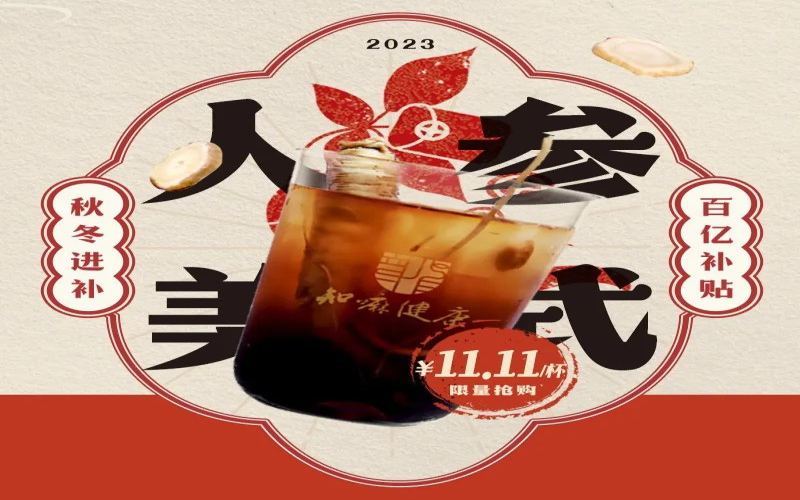
Tongrentang has partnered with Tmall to launch a ginseng Americano, once again stirring up the punk wellness trend with a mix of traditional Chinese medicine and coffee.
When "Double Eleven" meets a time-honored pharmaceutical company, a cup of ginseng americano makes a surprise debut. Tmall teamed up with Zhima Health, under Tongrentang, to launch a limited-edition "ginseng americano," each cup containing a whole fresh ginseng root, at a subsidized price of just 11.11 yuan. Following the various "medicinal coffees" that came before, this move has once again drawn attention. In addition to ginseng, the drink also includes Chinese medicinal ingredients such as licorice and longan, and the vendor simultaneously warns that no more than one cup should be consumed per day. However, issues such as the lack of additive standards in the industry and the unclear origin of the ginseng have also surfaced, meaning consumers should exercise extra caution even as they satisfy their curiosity. [more…]

Coffee specialty drink named "Chaoshan Poison" sparks controversy, Chaoshan netizens call it reckless
Recently, a coffee shop launched a signature drink called "Chaoshan Poison," sparking heated discussion online. In Chaoshan cuisine, "Chaoshan Poison" has long been synonymous with raw-marinated seafood, yet this coffee, priced at 45 yuan, is primarily made with cold brew coffee and green olive juice, garnished with Chaoshan aged medicinal kumquat and bamboo-salt wampee—a far cry from public perception. Chaoshan netizens have voiced their displeasure in dialect, arguing that the name misleads consumers and that the shop lacks understanding of local food culture. This article will review the course of events and explore the boundary between creative local specialty coffee and naming. [more…]
Heather Latte Sparks Debate: An Analysis of Food Safety and Health Benefits Behind Spring Seasonal Specials
As spring arrives, the photinia flowers commonly seen in urban landscaping have frequently trended on social media due to their distinctive odor, and coffee shops have seized the moment to launch "photinia flower lattes," sparking heated discussions among netizens. This special drink claiming to capture the taste of spring has a comment section filled with sounds of disgust. Can photinia flowers actually be eaten? What medicinal value and health benefits do they have? And what kind of gastrointestinal effects might they bring when paired with coffee? This article will provide a detailed analysis of this highly controversial spring special from the perspectives of preparation methods, food safety, medicinal value, and caffeine stimulation. Meanwhile, relevant recommendations from Coffee Workshop and Front Street Coffee (FrontStreet Coffee) are retained in the article for coffee enthusiasts' reference. [more…]
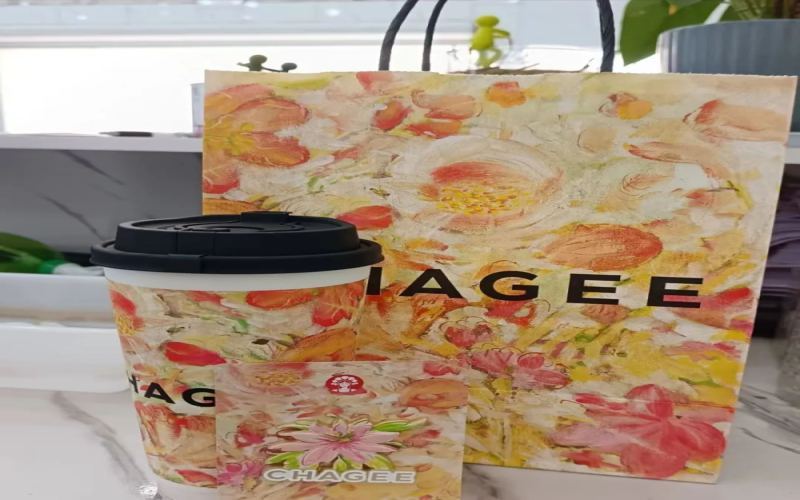
CHAGEE's passion fruit Biluochun milk tea sparks heated debate, with consumers describing the taste as bitter and medicinal upon entry
Chagee recently launched a new drink called "Vientiane Spring Harmony," a passion fruit Biluochun milk tea, which the company claims combines Guangxi passion fruit juice with a Biluochun tea base for a refreshing, sweet, and smooth taste. However, many consumers have reported that while the drink starts off sweet, it soon develops a pronounced bitterness, with some describing it as "more bitter than life itself" and even suspecting the tea base was steeped too long. At the same time, some fans insist that drinking it at the recommended sweetness level is perfectly fine. Whether this new release is pleasantly sweet-and-sour or unbearably bitter has sparked widespread discussion. [more…]

Can ginseng coffee really give you a big health boost? Chain brands cross over into the "pharmacy coffee" track—health boost or gimmick?
When coffee meets traditional Chinese medicinal herbs, is a cup of this beverage a health tonic or just a gimmick? Lucky Cup's recently launched ginseng series has sparked heated discussion on social media—at a price of ten yuan, you can actually get a whole ginseng root, and many netizens are calling it the real deal. However, controversy over the taste has followed. From creative specials at private cafés to established traditional Chinese medicine halls entering the fray, and chain brands piling in one after another, the herbal coffee track is becoming increasingly lively. Will this trend truly win young people's long-term favor, or will it remain merely a passing curiosity? This article takes you in for a closer look. [more…]
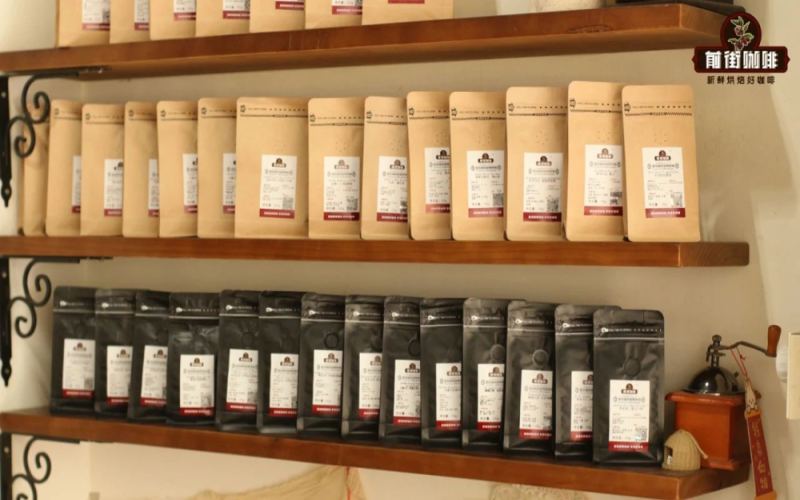
A Detailed Guide to Indonesian Mandheling Coffee Bean Grading, Origins, and Variety Characteristics: Comparing the Flavors of Five Front Street Mandheling Coffees
Mandheling coffee beans are one of Indonesia's most iconic specialty coffees, and their wild herbal, medicinal flavors and rich, full-bodied mouthfeel keep enthusiasts flocking to them. Front Street Coffee has selected five distinctive Mandheling options from its coffee bean lineup, including Golden Mandheling, Lintong Mandheling, Aged Mandheling, Tiger Mandheling, and Natural Mandheling. This article will guide you through the grading of Mandheling coffee beans, the characteristics of their origins and varieties, as well as Front Street's flavor comparison and brewing recommendations for four classic Mandheling coffees, helping you find the cup of Mandheling that best suits your taste. [more…]

Fenbid joins forces with TPLUS Teahouse to launch a pop-up milk tea, netizens question: is there actually ibuprofen in the cup?
The painkiller brand Fenbid teamed up with TPLUS Tea House to open a milk tea pop-up store, launching the "Don't Endure the Night, Sweet Tea," but the cross-industry move by a pharmaceutical brand into food sparked heated debate among netizens. Some worried it could mislead consumers, while others questioned whether it was false advertising. Although the officials clarified that the drinks contain no medicinal ingredients, the controversy did not subside. Is this collaboration a warm-hearted marketing move or a brand overstepping its bounds? And where exactly lies the boundary for cross-industry partnerships? [more…]
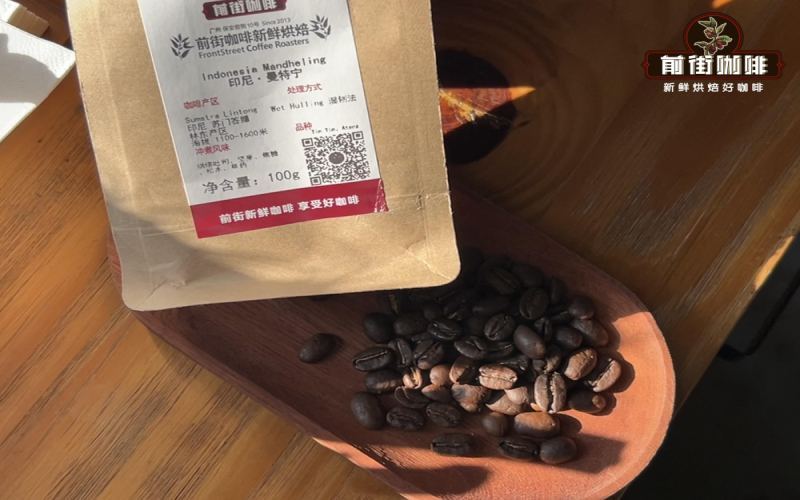
A Complete Analysis of Indonesia's Specialty Coffee Landscape: Flavors of Sumatra, Sulawesi, and Java Origins and the Toraja Specialty
Indonesia is a major heavyweight in global coffee production and a specialty coffee origin that cannot be overlooked in Asia. Although its commercial beans are mainly Robusta, specialty beans such as Sumatra's Mandheling and Lake Tawar, Sulawesi's Toraja, and Java's Old Brown still hold a place in the international market. This article reviews the terroir, processing methods, and grading systems of Indonesia's four major specialty coffee regions, with a focus on the rare charm of Toraja, while retaining brand information such as Front Street Mandheling and Front Street Golden Mandheling, to help coffee lovers build a clear flavor map of Indonesian coffee. [more…]
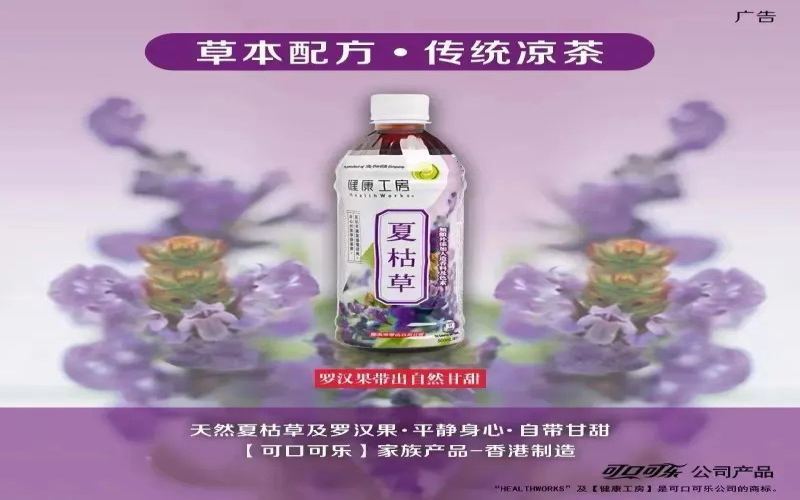
Wanglaoji's Waterfall Iced Cantonese-Style Drink Sparks Debate: Is Herbal Tea Crossing Over into Coffee Innovation or Anxiety?
Coca-Cola recently launched an herbal tea product called "Prunella vulgaris," but its name and packaging color scheme triggered collective misreading among netizens, many of whom associated it at first glance with the pesticide "paraquat." Meanwhile, Wong Lo Kat is also vigorously promoting "Waterfall Iced Cantonese Style" in its physical stores, combining concentrated herbal tea with fruit soda and ice, imitating coffee's visual appeal and sense of ritual. From Coca-Cola's naming mishap to Wong Lo Kat's attempt to turn herbal tea into coffee, traditional herbal tea brands all seem anxious to break through the limitations of their consumption scenarios. Are these crossover moves genuine innovation breakthroughs, or helpless measures by brands under performance pressure? [more…]
Advanced Coffee Tasting: A Practical Guide to Identifying Negative Flavors and Analyzing Common Defects
In the process of learning coffee tasting, most people habitually focus their attention on capturing positive flavors such as floral and fruity notes and caramel sweetness, yet often lack the ability to describe unpleasant tastes. However, the key to truly improving one's tasting ability lies precisely in being able to accurately identify and distinguish negative flavors in coffee. This article, from Front Street's tasting perspective, systematically sorts out common defects such as greenness, over-fermentation, and off-flavors, and with the help of specific imagery such as earthy, woody, smoky, rubbery, medicinal, charred, and moldy, helps enthusiasts build a clear cognitive framework for negative flavors, so as to understand a cup of coffee's quality performance more comprehensively. [more…]
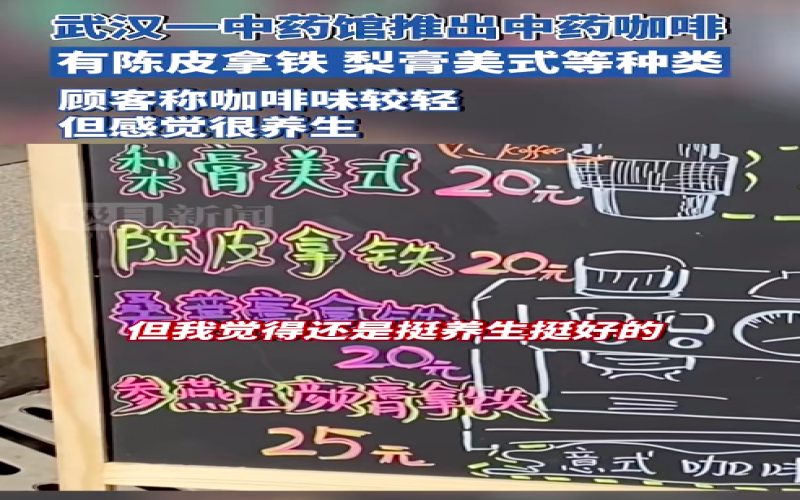
When Traditional Chinese Herbal Paste Meets Coffee: A Rational Look and Consumer Insights Behind the New Wellness Trend
When coffee's invigorating effects meet the nourishing philosophy of traditional Chinese medicine, a new species called "wellness coffee" is quietly gaining popularity among young consumers. From the creative stalls at Ye Kaitai's herbal paste festival to the daily menus of cafes across the country, the crossover combination of Chinese medicine and coffee has frequently attracted attention. However, is this East-meets-West beverage truly a healthy choice, or does it merely provide psychological comfort? This article will examine the composition, market phenomena, potential risks, and other angles to give you a comprehensive understanding of the pros and cons of wellness coffee, and explore whether this innovative drink can continue to win consumers' favor. [more…]
What is the difference between pure tea and blended tea? A detailed explanation of tea's origins, spread, and blending methods
Tea is the world's most popular beverage after water. Whether black or green, with milk or plain, every type of tea offers a unique experience. All tea leaves come from the same tea plant, but differences in origin, altitude, climate, and production methods create teas with distinct flavors. This article begins with the botanical characteristics and origins of the tea plant, traces the spread of tea from a medicinal drink in southwestern China to its popularity across East Asia, Europe, and even India, and focuses on comparing the features, pros, and cons of 100% natural pure tea versus blended tea, finally including a simple blended tea recipe for coffee and tea enthusiasts to reference. [more…]
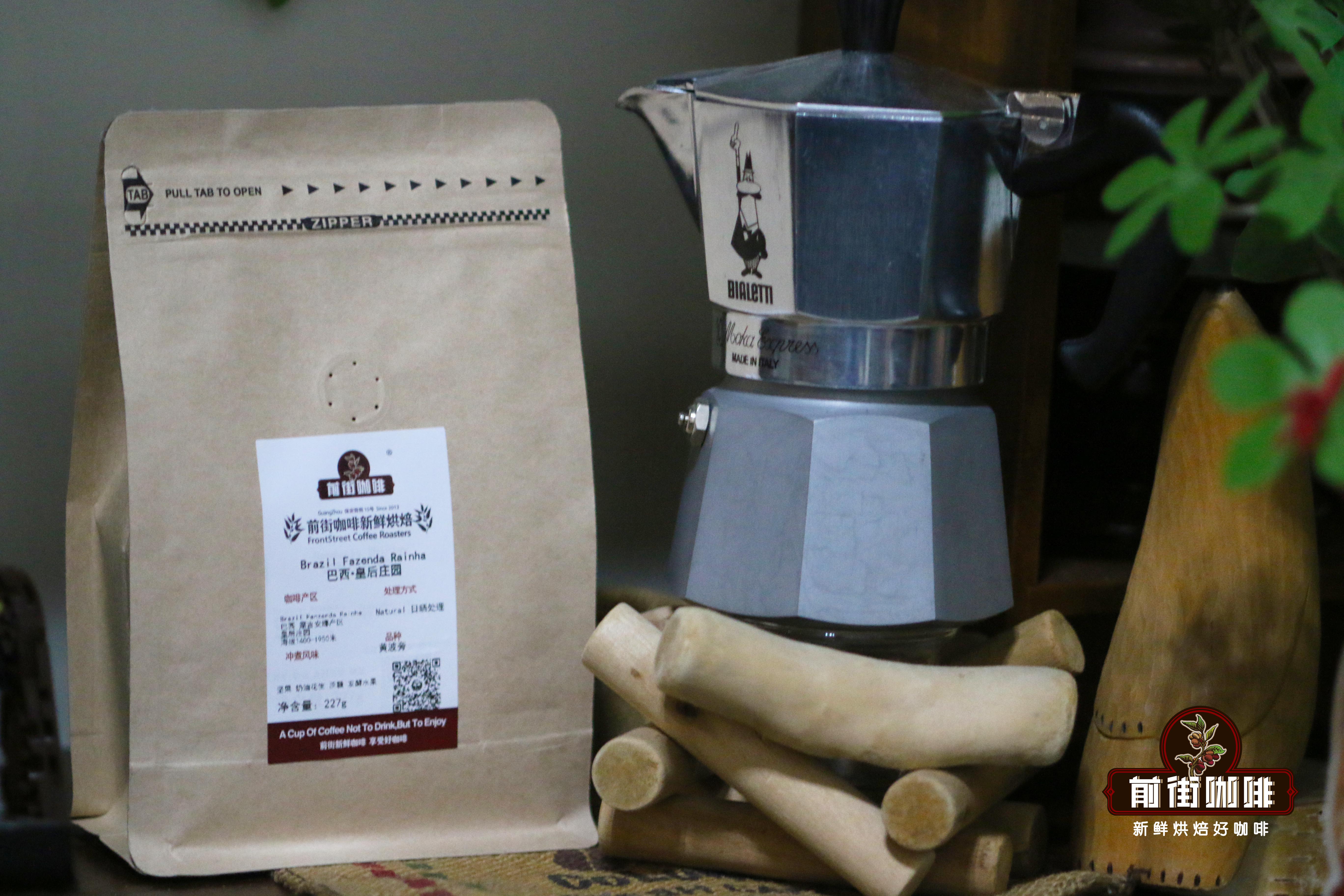
The Complete Guide to Pour-Over Brazilian Coffee: From Roast Characteristics to Three-Pour Technique and Flavor Control
Brazilian coffee beans are mostly medium-dark roasted, with bitterness as their base note, but bitterness comes in good and bad forms—the positive bitterness from nuts, chocolate, and caramel is pleasant, while smoky, woody, and medicinal notes are negative bitterness. In this article, Front Street Coffee uses a everyday-drink bean from the Cerrado region as an example, demonstrating from filter cup selection, coffee dose, coffee-to-water ratio, grind size, and water temperature to three-stage pouring, a complete guide on how to brew a cup of Brazilian coffee that has both a rich body and caramel sweetness, helping you avoid the pitfalls of burnt bitterness and thinness. [more…]

NOWWA × Jindi Co-branded Houttuynia Americano: Fish Mint in Coffee Sparks Polarized Debate
The coffee chain brand NOWWA recently teamed up with Jindi, a brand of Houttuynia cordata mixture, to launch a Houttuynia cordata Americano, and the news immediately took many netizens by surprise. Houttuynia cordata, also known as fish mint, has a distinctive fishy and bitter aroma that has always inspired strong feelings of love or hate. Is this special drink made with real ingredients or is it just a gimmick? Judging from feedback on social platforms, no medicinal ingredients were added to the drink, only fresh chopped Houttuynia cordata and lemon slices, but the soaked Americano still carried an unmistakable herbal flavor. Some people said after one sip that they were "almost carried off," while others picked out the herbs at the bottom of the cup and chewed them carefully, exclaiming that it was addictive. This article takes you through the real taste of this collaboration coffee, customer reviews, and the brand's drinking reminders. [more…]
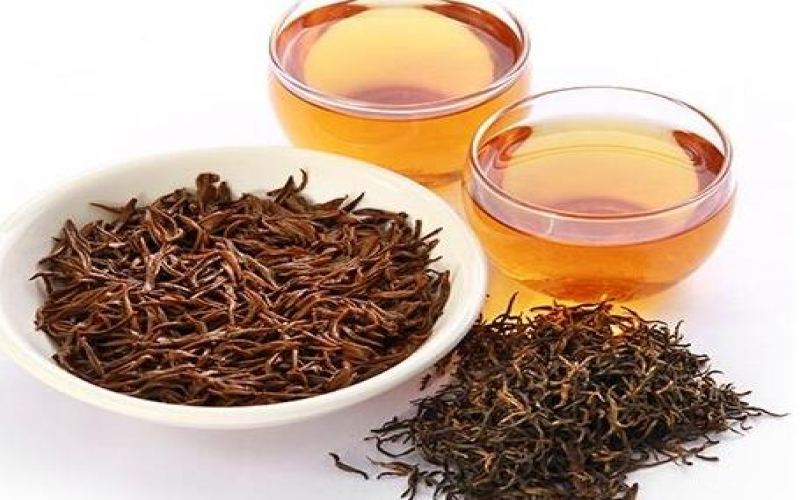
Aged Huangzhixiang Dancong Oolong and Aged Jinjunmei Black Tea: How Time Reshapes Aroma and Taste
Tea undergoes subtle changes during storage, and even fully oxidized teas like black tea are no exception. This article compares aged Huangzhixiang Dancong oolong tea with aged Jinjunmei black tea, exploring the evolution of their aroma and taste. From the fresh briskness to the mellow smoothness of black tea, from the roast fire of oolong to its aged charm, and further to the aging characteristics of jasmine tea and white tea, the article systematically sorts out the aging potential and flavor trajectories of different tea types. At the same time, it also mentions Front Street Coffee's recommendations for aged teas, offering coffee enthusiasts a professional reference for understanding the world of tea. [more…]

Where Do Common Off-Flavors in Pour-Over Coffee Come From? Analyzing Roast Dryness and Methods to Improve Tasting Ability
When an unpleasant flavor appears in a cup of coffee, it is often not accidental, but rather a deviation in some detail during growing, processing, roasting, or brewing. If we can identify these negative flavors one by one, we can work backward to infer what went wrong with the cup, which is practically helpful for improving tasting ability and optimizing brewing and roasting. Front Street Coffee has compiled several of the most common off-flavors in pour-over coffee—including miscellaneous odors, earthiness, woodiness, smokiness, charcoal, medicinal notes, mustiness, rubber, and rot, as well as astringency and dryness, two tactile sensations that are not tastes—and analyzes their causes and key points for identification one by one. [more…]
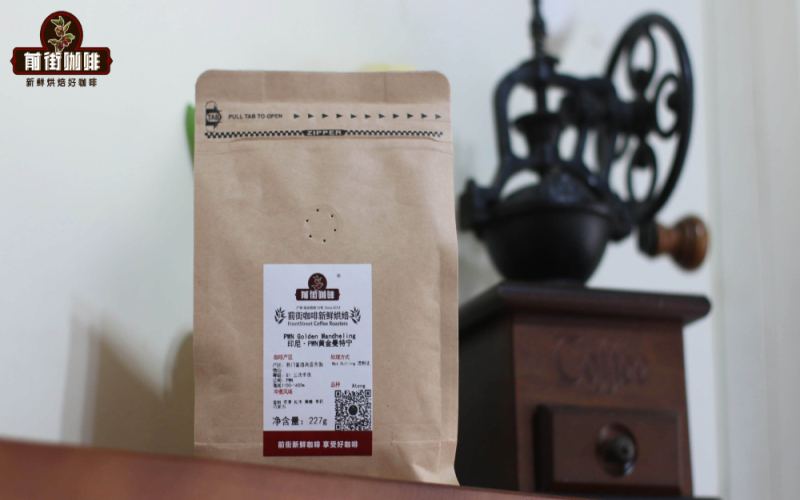
A Full Breakdown of Indonesia's Wet-Hulling Process: How Golden Mandheling's Unique Flavor Is Formed and PWN's Grading Standards
Golden Mandheling's herbal, medicinal aroma, intense sweet aftertaste, and robust, full-bodied mouthfeel have captivated countless coffee connoisseurs. Front Street Coffee believes that the formation of this unique flavor stems both from the innate conditions of variety and terroir, and from Indonesia's distinctive wet-hulling process. This article will thoroughly break down the four key steps of wet hulling, explain why it must race against time in a high-humidity environment, and clarify the essential differences between ordinary Mandheling and PWN Golden Mandheling, helping you accurately identify genuine Golden Mandheling when making a purchase. [more…]
Brazilian Coffee Pour-Over Techniques Explained: Why Medium-Dark Roast Black Coffee Tastes Burnt and Bitter and How to Improve It
Many coffee lovers find that after getting their hands on Brazilian beans, the coffee they brew has a pronounced bitterness, sometimes even an unpleasant scorched bitterness that stings the throat. Brazilian coffee beans are mostly medium-dark roasted, and bitter notes are inherently part of their flavor profile, but bitterness comes in both positive and negative forms—the bitterness of nuts, chocolate, and caramel is pleasant, while smokiness, wood shavings, medicinal notes, and burnt flavors are defects. Using beans from Brazil's Cerrado region as an example, Front Street Coffee breaks down one by one—from dripper selection, dose, coffee-to-water ratio, grind size, and water temperature to the three-pour technique—how to brew a cup of full-bodied, sweet Brazilian pour-over with rich caramel and nut flavors, while avoiding the development of negative scorched bitterness. [more…]